


Smooth Vinyl Playback with Reduced Motor Vibration
Manual Belt Drive Turntables
A manual belt-drive turntable uses a rubber belt to connect the motor to the platter. When the motor spins, the belt rotates the platter, which in turn spins the vinyl record. This design isolates motor vibrations from the platter, reducing noise and delivering a cleaner, more accurate sound. Users manually place the tonearm on the record and lift it off when finished, giving full control over playback.


What Is a Belt Drive System?
A belt drive system in a turntable uses an elastic belt to connect the motor to the platter. This design helps minimize motor noise and vibrations, resulting in smoother, quieter rotation and higher-quality sound. By isolating the motor from the platter, belt drive turntables deliver a more authentic analog listening experience favored by vinyl enthusiasts.

Pure Analog Sound Experience
Experience superior sound quality with our belt drive turntable, designed to minimize motor noise and vibrations for smooth, precise playback. Ideal for vinyl enthusiasts seeking authentic sound and timeless craftsmanship, our belt drive turntables combine traditional mechanics with modern reliability.

Fully Manual Turntable
A manual turntable invites you to actively engage with your music by placing the needle and adjusting the tonearm yourself. This hands-on control creates a meaningful connection to your vinyl collection and enriches the listening experience.
Let customers speak for us
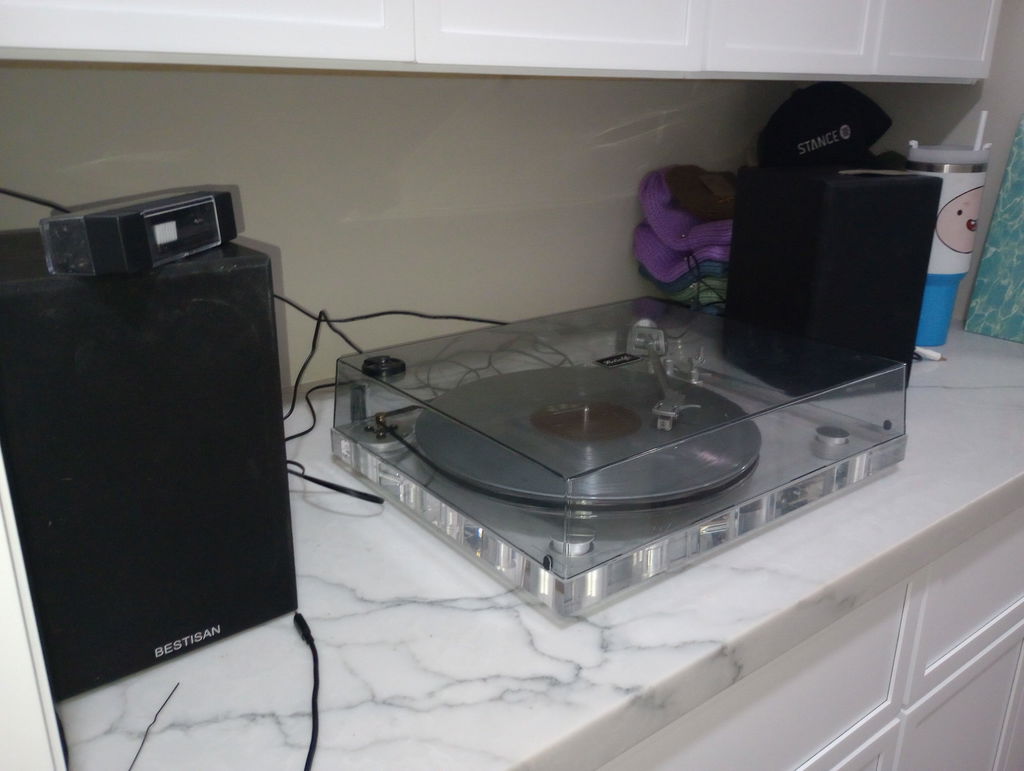
I bought this Bluetooth/aux player back in the summer and it has to be one of the best ones I've purchased,
First off the design is awesome being clear make it so you can see your record spinning but it also fits well with any aesthetic you have blending in it's very easy to set up and this just made me a returning customer highly recommend and worth the price!
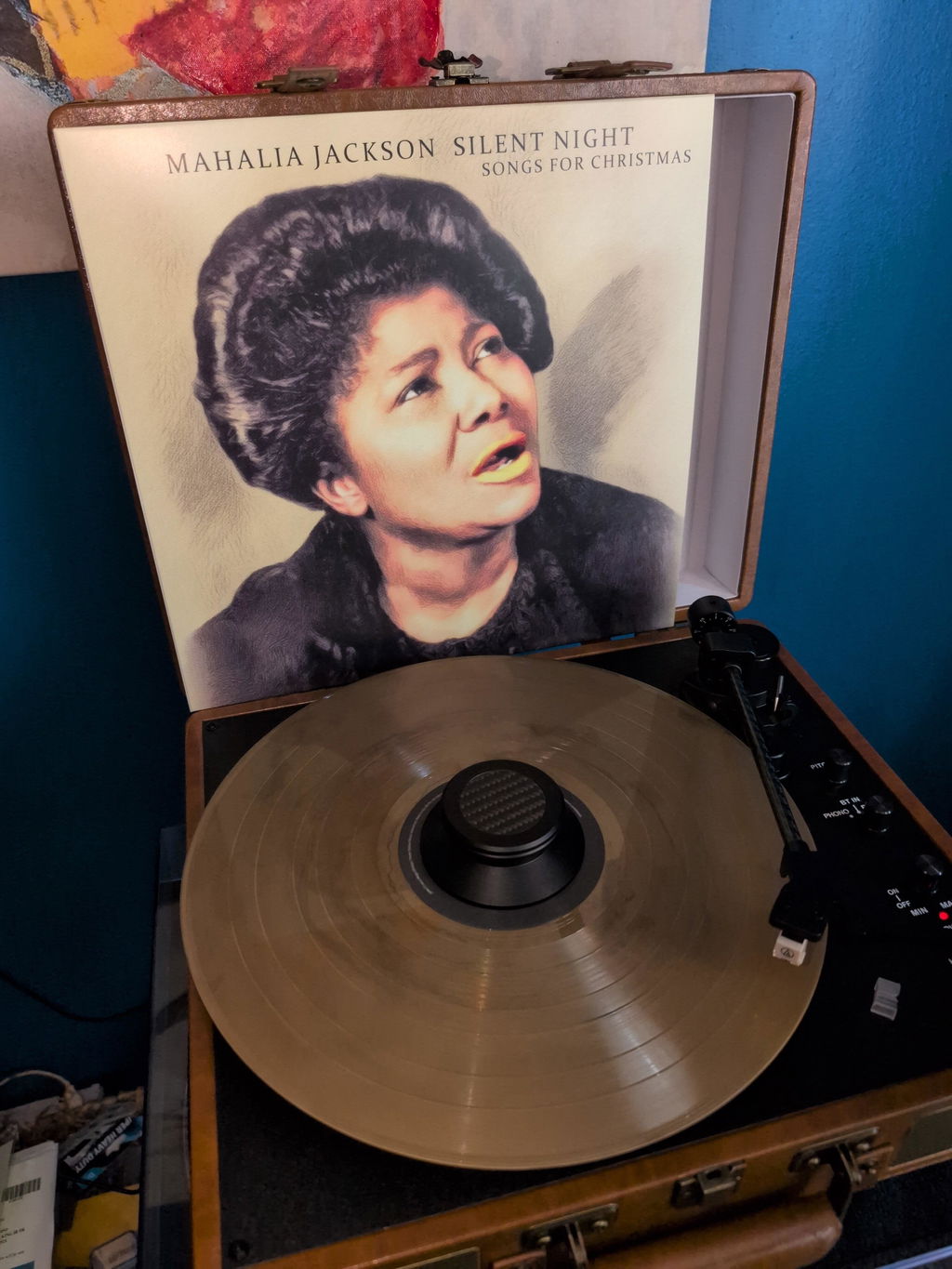
This unit was miss 45 adapter and RCA jacks. But over all I love it . It works well . Some time the auto stop, stops working . It has no platter wobble. It is a very good unit
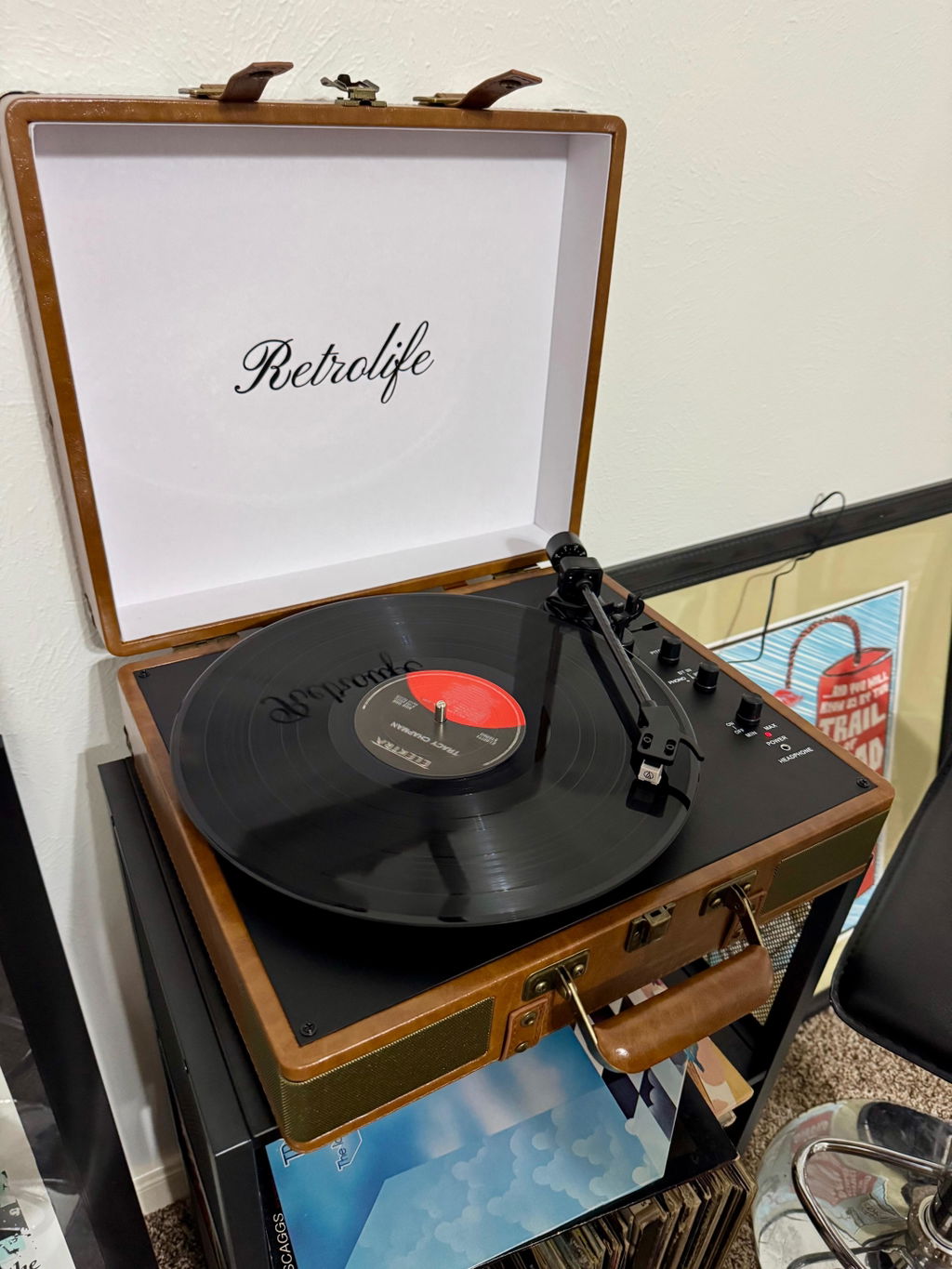
Retro life customer service is EXCEPTIONAL! They not only helped to expedite our order to arrive in time for my husband’s birthday, but they also checked in after the fact to make sure it arrived as planned. We just love the record player and appreciate the thoughtfulness from Retro life team, they were amazing to deal with.
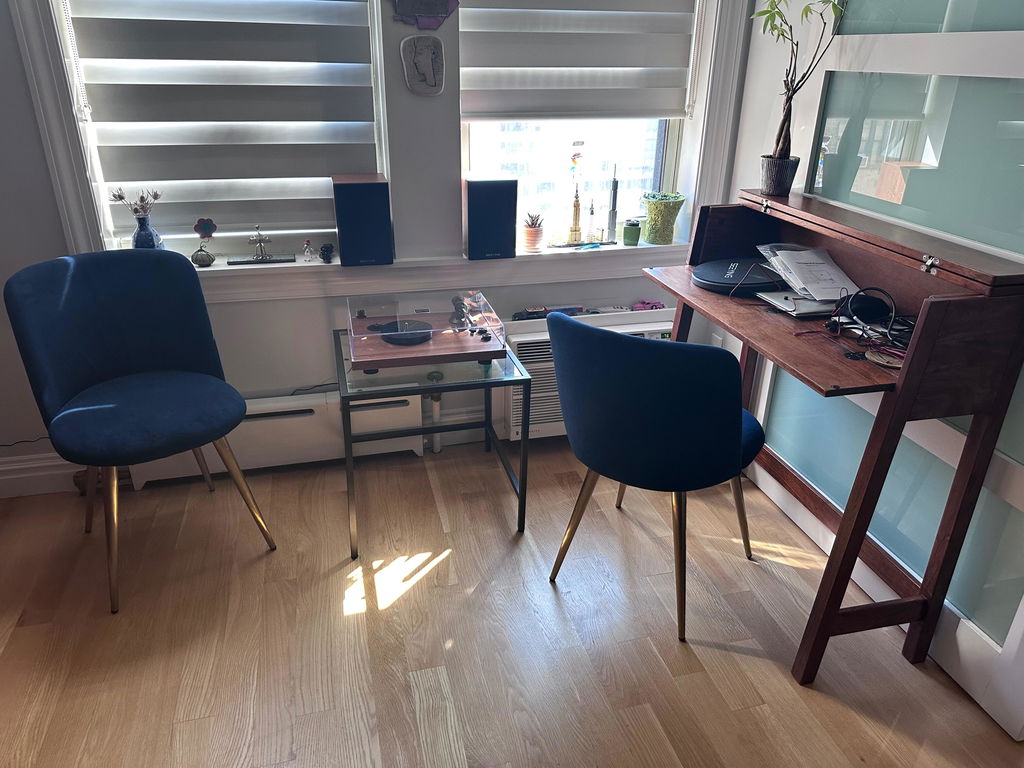
The turntable arrived promptly and was easy to set up. Have been enjoying listening to LPs every day since.
Good quality sound and looks great too. Only “issue” was space needed to open dust cover required more depth than the turntable base so i needed a different location than originally planned.
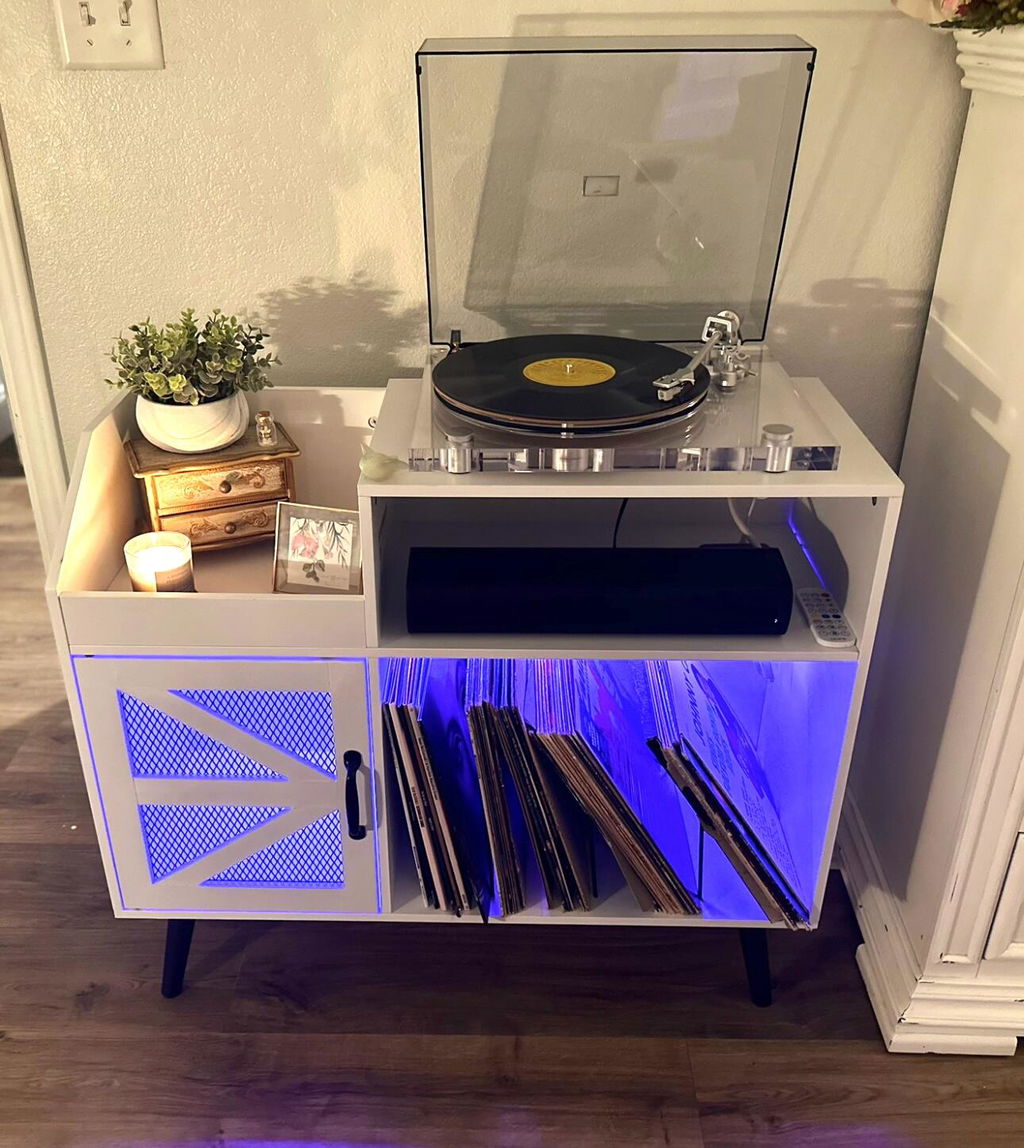
This record player is absolutely beautiful and a center piece for conversation! Great quality!!
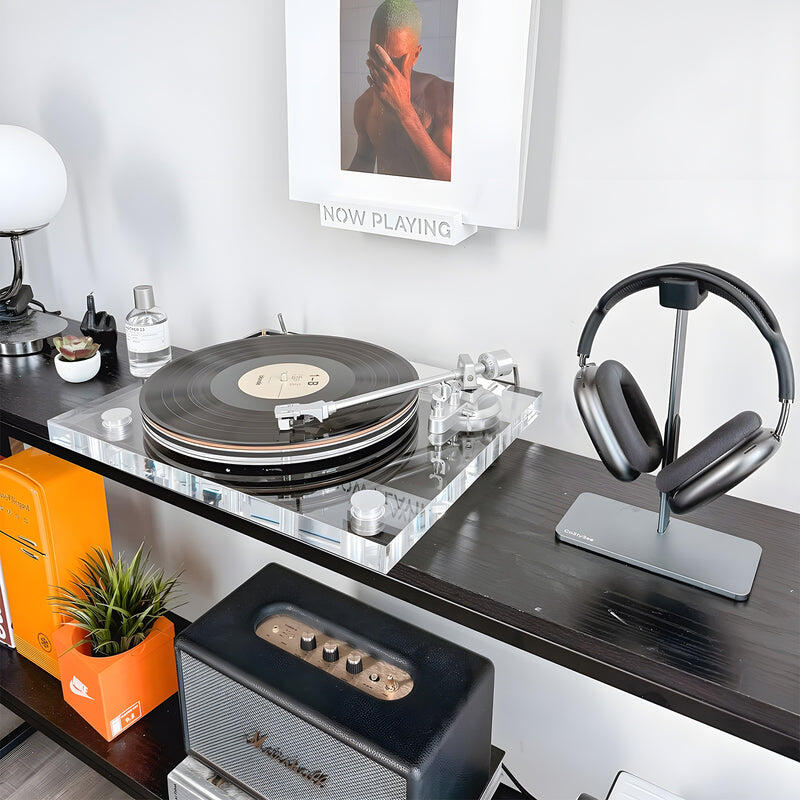
No frills, just all the good stuff. I was looking for something with more style and better sound. I've made the right choice. Getting the belt on was a few minutes of audible groaning, but after that i've spent many hours already this week enjoying my collection.
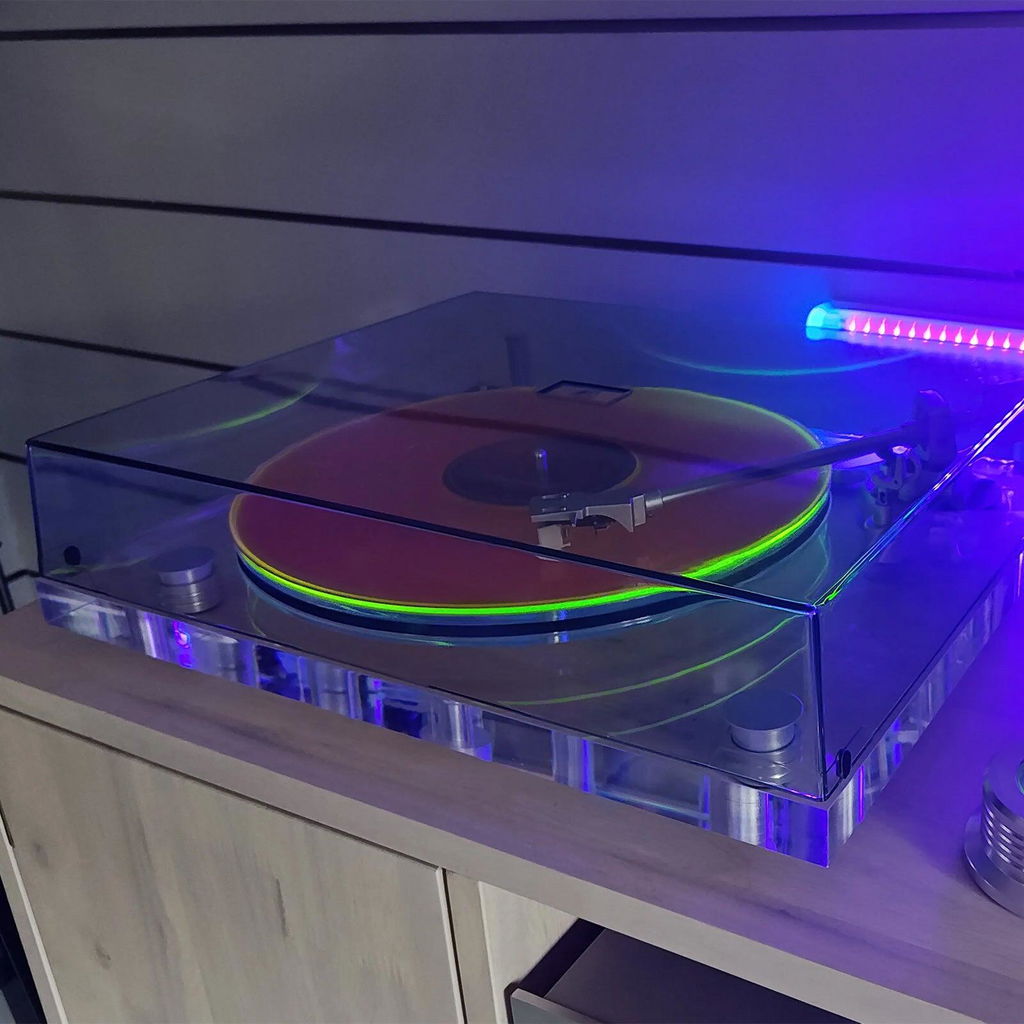
Quality build,great looks and sound. If you want quality affordability and Retrolife is your choice.
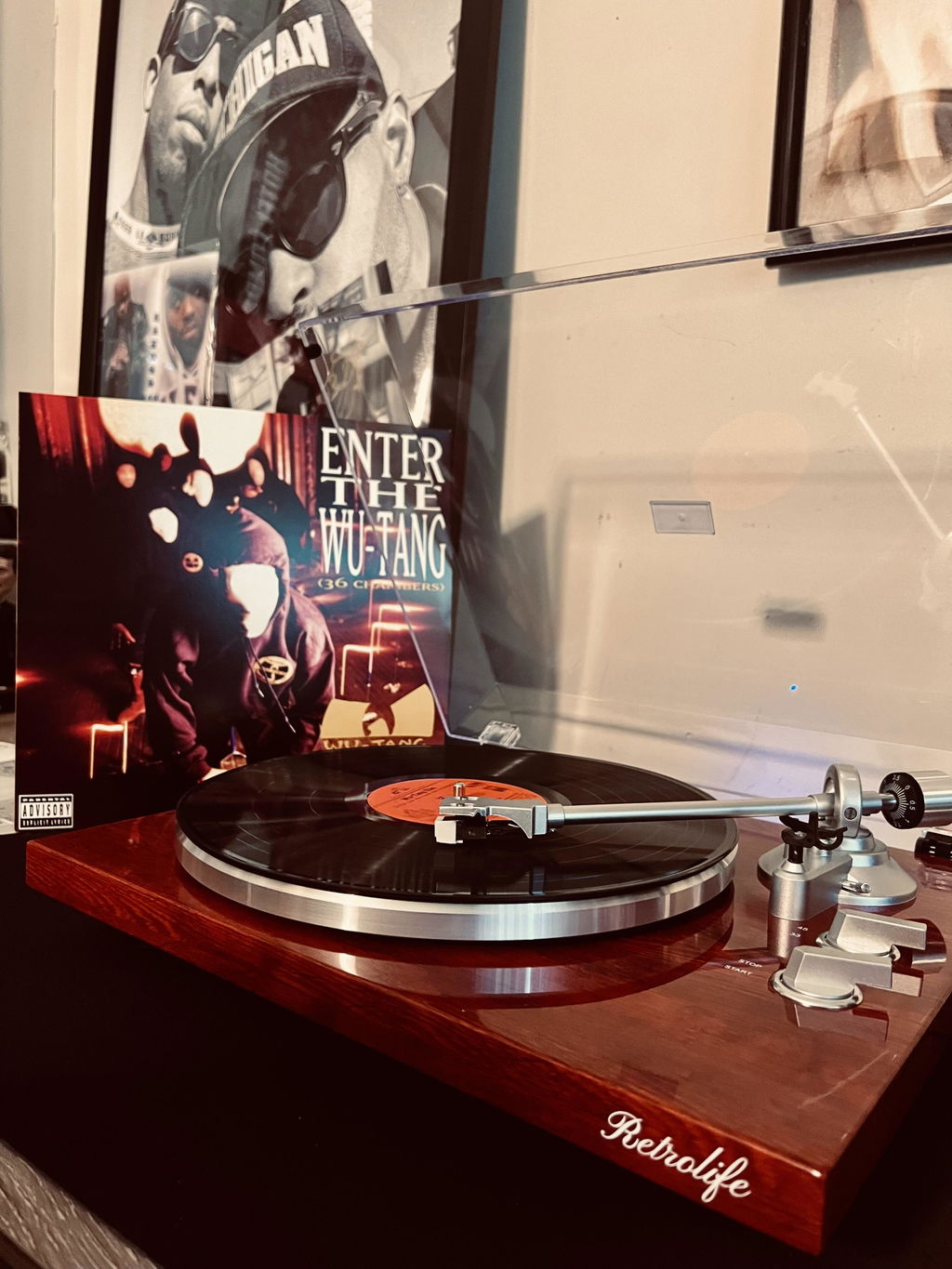
Amazing for the price and looks beautiful in the home with my records

Looks great, sounds great. Perfect for the space. It's not SUPER loud but the sound quality is good - I live in an apartment so anything louder would probably kerfuffle my neighbors anyways. I love it so far!
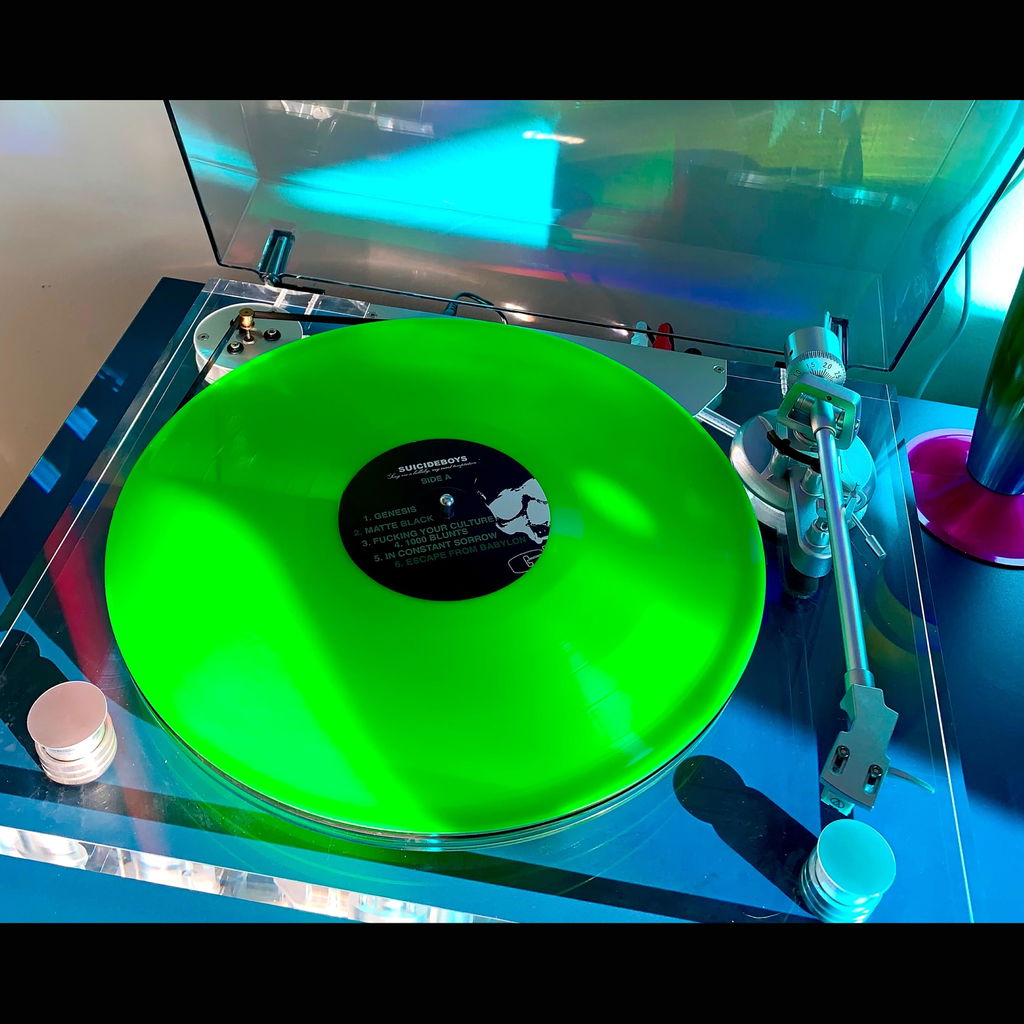
I absolutely love this turntable!! It's everything I hoped for and more! It's beautiful and great quality! 10/10 recommend!!!
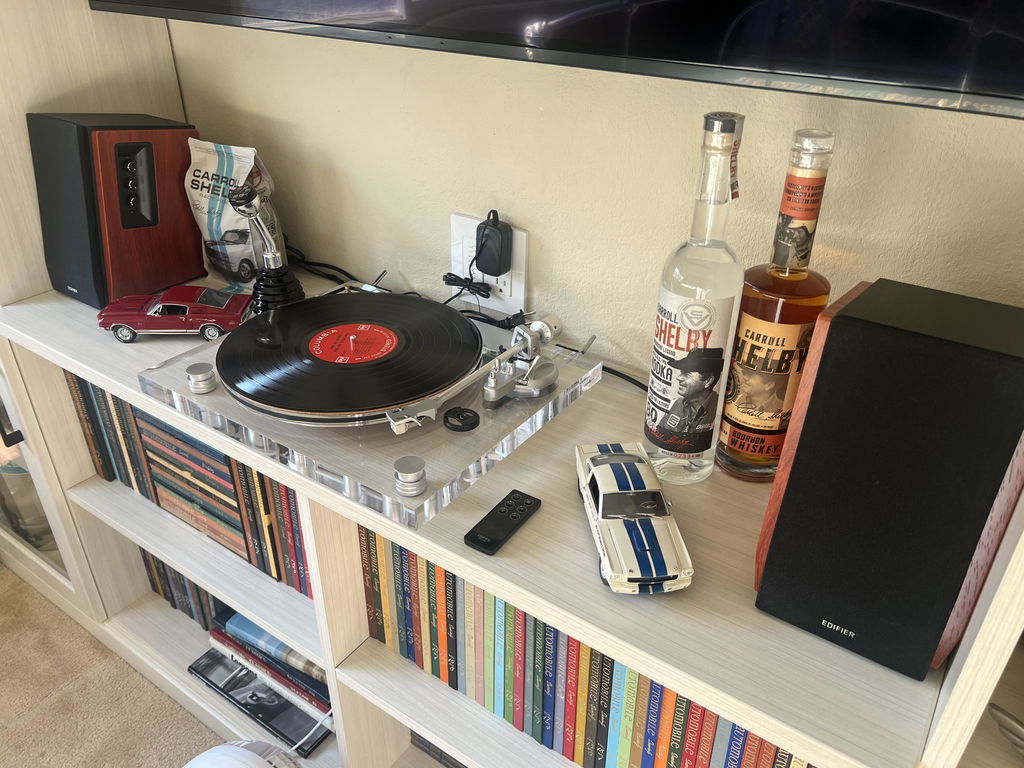
Retrolife sound, looks, far exceeded my expectations.Ą. Easy to set up.Ą my vinyls are back in action..45ĄŻs & 33ĄŻs.Ą with a sound that is amazing.Ą
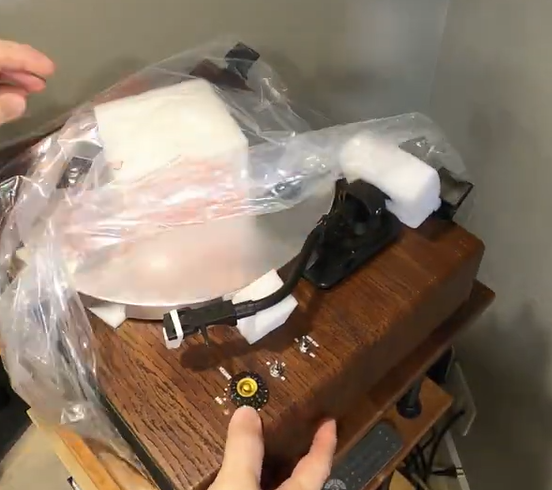
Awesome turntable. Great sound. Solid construction. Looks great!
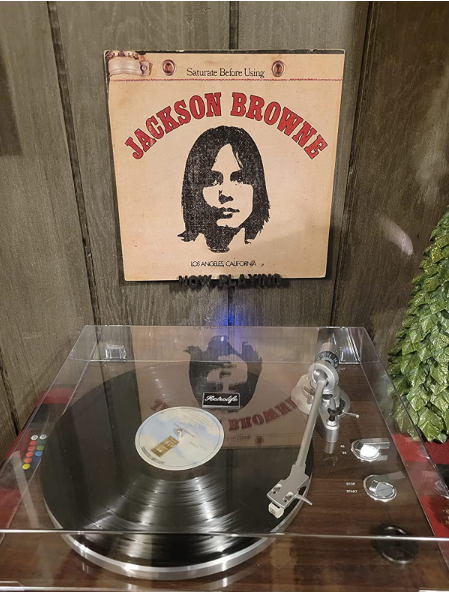
I am very happy with this turntable. It's beautiful and has the retro style I was looking for. I especially like that you can close the the cover while the record is playing. The Bluetooth connection works great once I get it connected. It will sometimes connect immediately and other times it takes a while, which could be something with my signal on my soundbar. I have recommended this player to others that are looking.
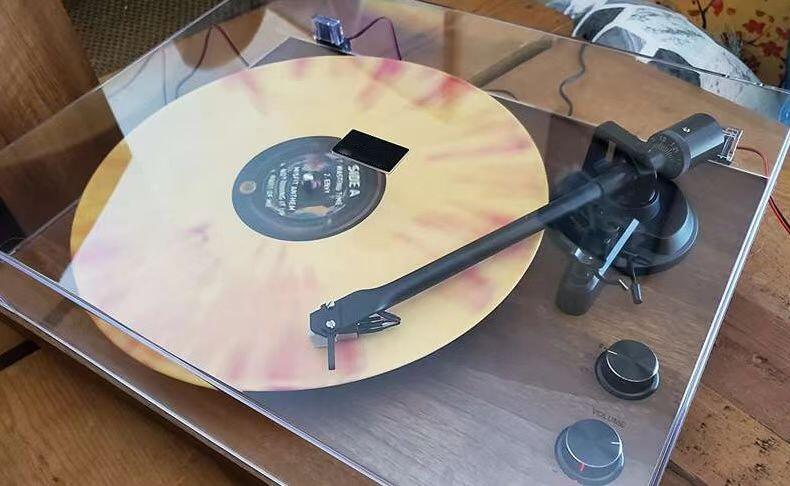
Love this turntable, it looks great in a room nice enough to decorate and sounds great. I have received a lot of compliments from friends and neighbors who want to buy their stuff there. The bluetooth works great and I love being able to play it from my phone when I want to listen to one of my records I also love playing podcasts on it while I'm cooking. I think the player is loud enough that I can hear it well in other rooms, but my husband would prefer to buy some other speakers, but I think this record player already fits my needs well enough that we want it to be louder.
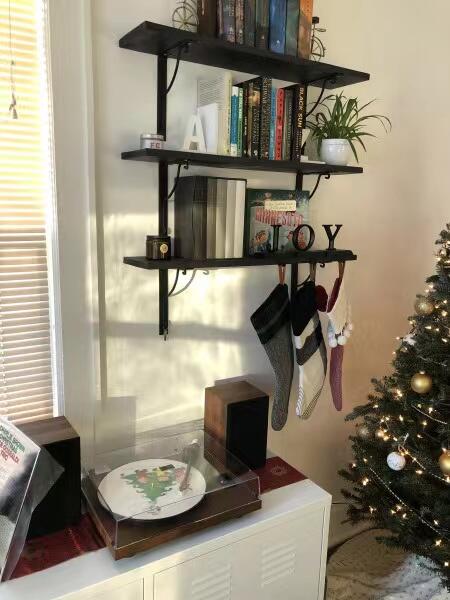
The sound is as good as you'll find in this price range, and the turntable has all the features you need, such as counterweight, anti-slip, and a lift mechanism for tonearm, bluetooth and RCA jacks to connect external speaker systems.
I'll talk about my favorite product - it's very stylish. I bought myself one for my birthday. I remember the record player from my childhood - these are warm memories. This Hi-Fi and dust cover is a huge plus. Having a speed switch is very handy. Be fascinated by the chic sound, the depth of frequency, the ease of use. A good, harmonious design that is pleasing to the eye. All contents and features stated in the description correspond. The most important thing to my satisfaction is the delivery, they were sent very quickly in high quality packaging - everything in the box is individually quality protected! I can certainly recommend this turntable.
Frequently Asked Questions
-
A belt drive turntable uses an elastic belt to transfer rotation from the motor to the platter. As the motor spins, the belt turns the platter and your vinyl record. This design helps isolate motor vibrations from the platter, which can reduce unwanted noise during playback. Retrolife belt drive turntables combine this traditional mechanism with features that vary by model.
-
A belt drive system helps reduce the transmission of motor vibrations to the platter, which can help minimize unwanted mechanical noise. Actual sound quality also depends on the cartridge, stylus, tonearm setup, platter, speakers, and recording. Choosing a turntable with the right components and a suitable audio setup is essential for enjoying your vinyl collection.
-
A manual belt drive turntable requires you to start playback and position the tonearm yourself. You place the stylus on the record to begin listening and lift the tonearm when playback is finished. This hands-on design gives you more direct control over the listening process and is a popular choice for vinyl enthusiasts.
-
A manual turntable requires you to position and lift the tonearm yourself. An automatic turntable uses a mechanism to move the tonearm at the beginning of playback and, depending on the model, return it at the end. Manual models offer a hands-on listening experience, while automatic models prioritize convenience. Some turntables also feature semi-automatic operation, so check the specifications before choosing.
-
Yes. A manual belt drive turntable can be a good choice for beginners who want to learn how to play and care for vinyl records. Start by placing the turntable on a stable, level surface, installing the belt if required, and following the model-specific setup instructions. Once the turntable is properly set up, starting playback becomes straightforward with a little practice.
-
Place the turntable on a stable, level surface away from strong vibrations. If the belt is not pre-installed, fit it around the motor pulley and platter according to the instruction manual. Connect the power supply and any required speakers or audio equipment, select the correct record speed, and carefully position the tonearm on the record. Setup details vary by model, so follow the instructions supplied with your turntable.
-
First, make sure the platter is rotating at the correct speed. Use the tonearm lift lever if your turntable has one, and gently lower the stylus onto the lead-in groove near the outer edge of the record. Avoid dropping the stylus onto the vinyl or touching its delicate tip with your fingers. When playback is finished, lift the tonearm carefully rather than dragging the stylus across the record.
-
There is no fixed replacement schedule for every turntable belt. Belt life depends on usage, storage conditions, belt quality, and normal wear. Consider inspecting the belt if the platter starts slipping, rotation becomes inconsistent, or the turntable takes longer than usual to reach the correct speed. If playback problems persist, check the setup instructions or contact Retrolife Support for assistance.