

Getting started with vinyl begins with music you love and a compatible playback setup. You don't need a rare pressing, a huge collection, or an expensive system to take the first step. Choose a favorite album, understand how your record player connects to speakers, and learn a few handling habits before you press play.
What draws people to records in the first place? In the interviews previously published in this article, Himeros, Edwen, and City described different starting points: favorite artists, movie soundtracks, album artwork, and the ritual of listening. Their experiences offer inspiration, not a rulebook for every beginner.
Editorial note: The listener stories below are paraphrased from this article's original interviews for clarity. They are individual accounts, not a new survey or a set of verified product reviews. The practical advice is presented separately.
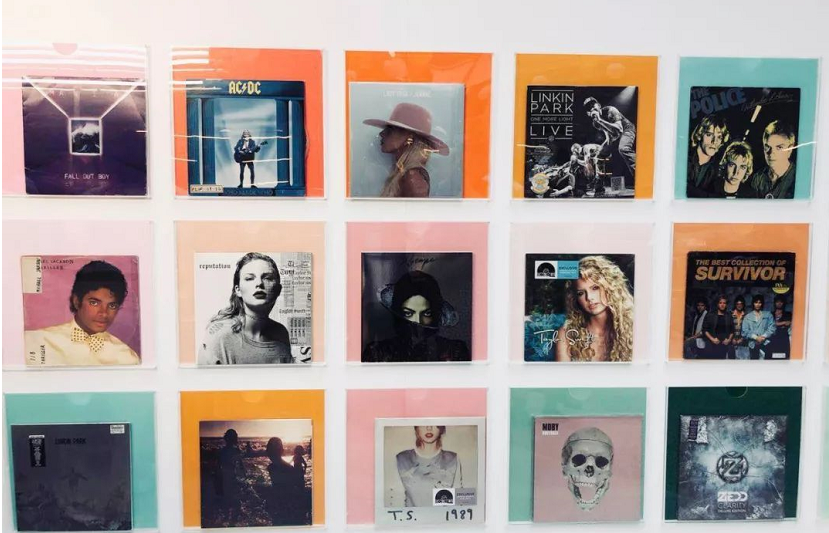
How to Start Listening to Vinyl: The Short Answer
Start with one or two albums you already enjoy. Choose a record player or turntable system with a complete signal path from the cartridge through phono amplification to speakers. Follow the equipment instructions, check the record's playback speed, and handle the disc by its edges and center label.
| First decision | Our beginner recommendation |
|---|---|
| Which record should I buy? | A favorite album you want to hear from beginning to end. |
| How many records do I need? | Start with one or two, then add more as you discover what you replay. |
| What equipment do I need? | A compatible turntable, phono preamp, amplification, and speakers; some devices combine these functions. |
| Should I buy colored vinyl? | Choose the music and specific edition first. Color alone doesn't establish sound quality. |
| What should I check before buying? | Format, track listing, condition, playback speed, and total cost. |
Why These Listeners Started Collecting Records
Himeros: Favorite Artists and the Appeal of Colored Vinyl
In the original interview, Himeros described becoming interested after seeing friends share their records. Collecting releases by favorite artists became a way to connect with the music beyond a phone screen.
Himeros recalled Amy Winehouse's Back to Black as an early purchase and expressed an interest in colored records, including a pink edition of Lady Gaga's Joanne. These are personal collecting interests from the original account, not statements about current availability or pricing.
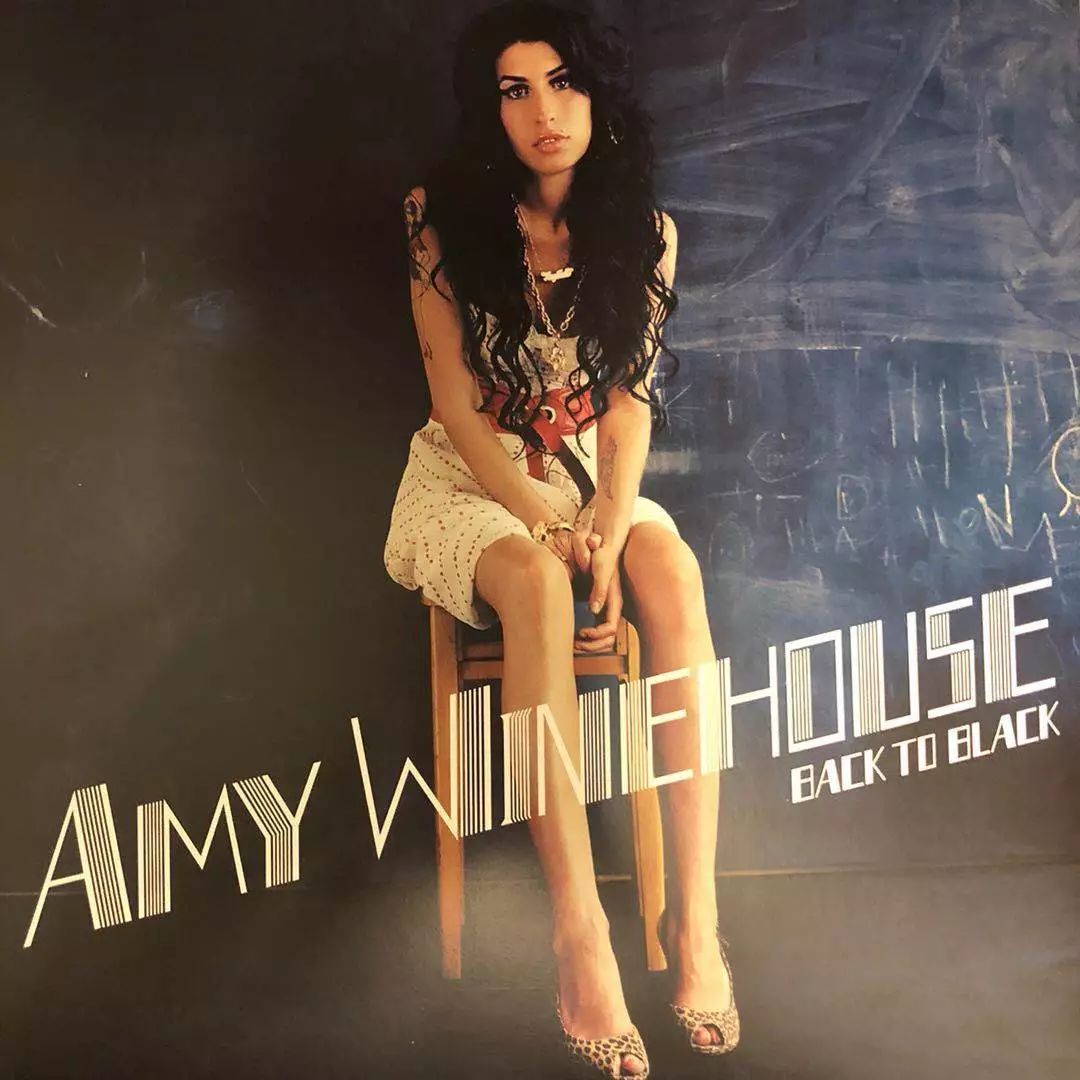
What a beginner can take from this: Start with an artist you genuinely enjoy. Artwork and color can make a record feel special, but compare the exact edition and price before buying. You don't have to chase limited releases to build a satisfying collection.
Himeros also described the appeal of a deliberate listening routine: choosing a record, taking it from its sleeve, and making time for the music. That interest in the experience mattered even while space in a dorm room made owning a setup less convenient.
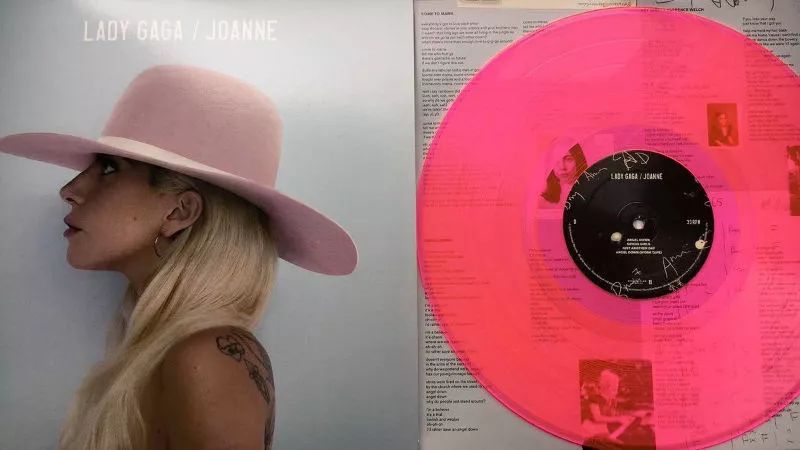
Edwen: Finding a Way In Through Movie Soundtracks
Edwen's original account connected vinyl with a love of movies. After listening through formats such as cassettes, CDs, and digital files, Edwen became interested in records while studying in the UK and later received a Retrolife record player as a birthday gift.
The first record Edwen recalled owning was the Pulp Fiction soundtrack. It was a familiar musical world attached to a favorite film, rather than an album chosen because collectors said it was essential.
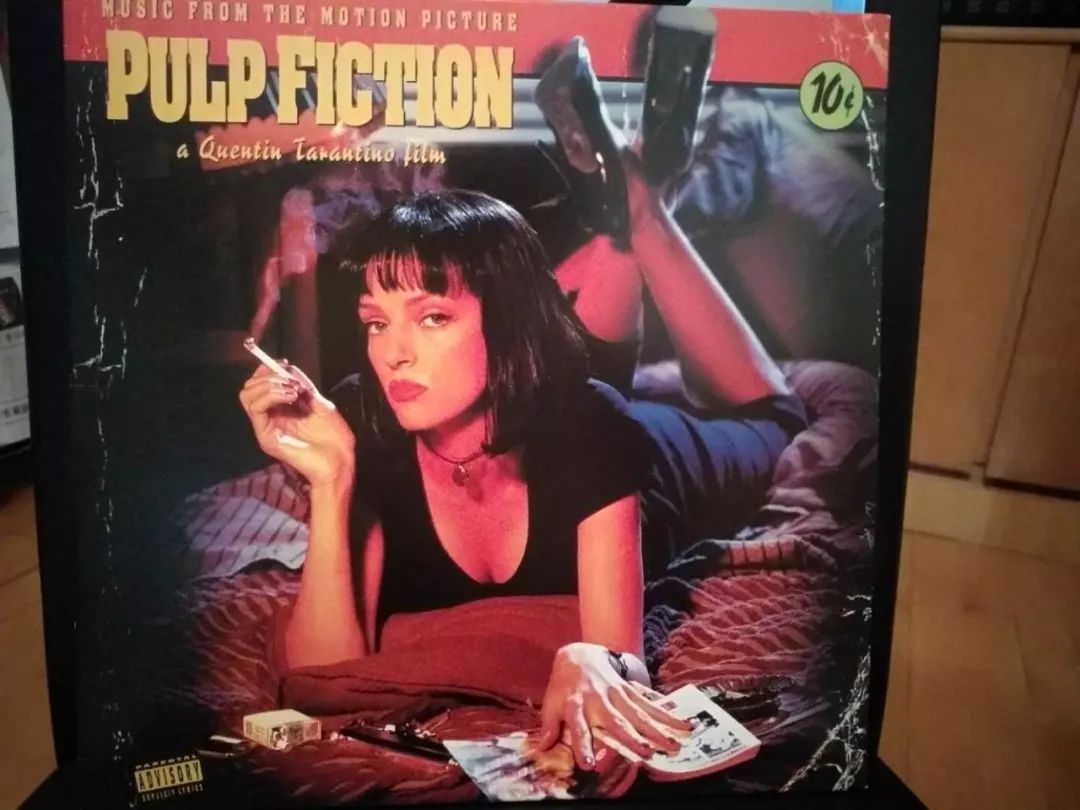
What a beginner can take from this: A soundtrack is a valid first record. So is a pop album, a jazz release, or a compilation. Choose something meaningful to you rather than treating collecting as a test of musical knowledge.
Edwen emphasized focused listening over claims of automatically better sound. Watching a record play and giving the music undivided attention felt different from starting a shuffled playlist. That is a personal preference, not a technical comparison of formats.
City: Artwork, Discovery, and Albums You Already Know
City, introduced in the original article as a graphic designer, described an interest in the physical presence of records and their cover design. Music remained the starting point, with curiosity about artists and albums leading to further discoveries.
City's advice centered on beginning with familiar musicians and albums. We've kept that useful principle without treating digital listening or algorithmic discovery as a reason someone should avoid vinyl.
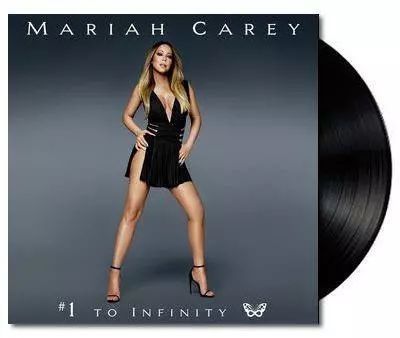
What a beginner can take from this: Streaming and collecting can work together. Discover an album digitally, then buy a physical copy if you want to spend more time with it. You can enjoy the artwork and the music without needing expert knowledge first.
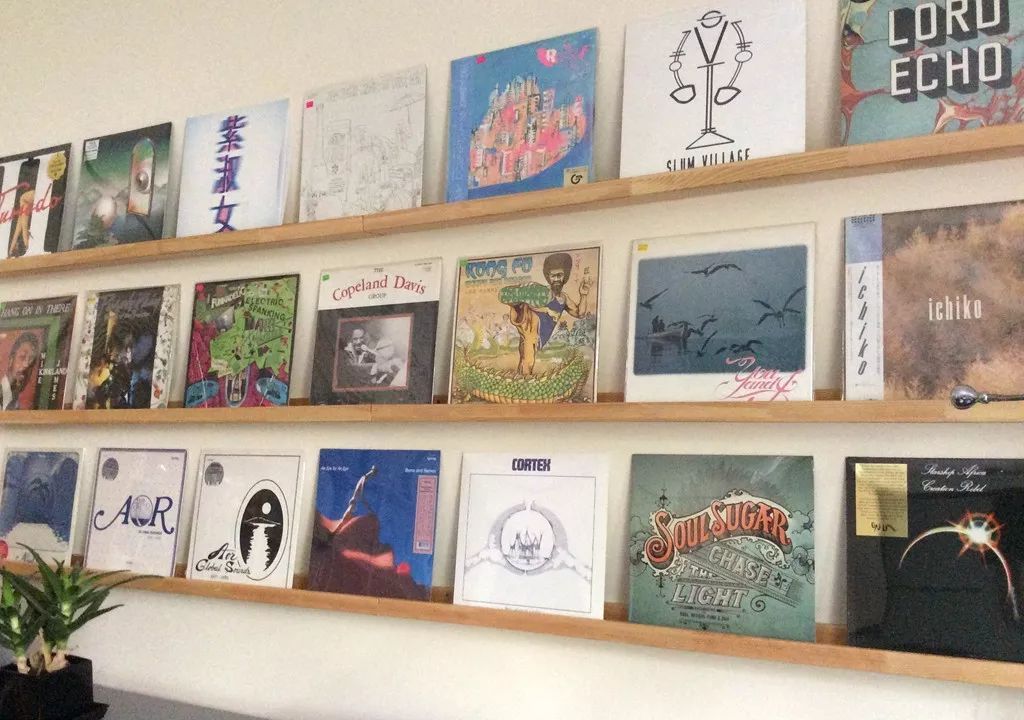
What Do You Need to Play Vinyl Records?
A vinyl system needs several functions, but not necessarily a separate box for each one. Before buying, work out which functions are built in and which need additional equipment.
A Turntable and Compatible Phono Preamp
The turntable rotates the record while the cartridge and stylus trace the groove. A phono preamp applies the amplification and equalization needed before the signal reaches a standard line-level input. Depending on your equipment, that preamp may be built into the turntable, an amplifier or receiver, or a separate device.
Check the instructions for PHONO and LINE connections. Don't assume every turntable can connect directly to every speaker, and don't select connections based only on matching plug shapes.
Amplification and Speakers
Powered speakers have amplification built in; passive speakers need a suitable amplifier or receiver. Some record players combine playback, amplification, and speakers in one unit. Check the specific model rather than assuming the words “record player” or “turntable” tell you everything included.
A common simple setup is a turntable with an appropriate built-in phono preamp connected at line level to compatible powered speakers. Other combinations can work just as well when their inputs and outputs match.
A Stable Listening Space
Place the turntable on a stable, level surface and follow its setup instructions. Where practical, separate speakers from the turntable's support surface to reduce vibration reaching the stylus. Keep records and equipment away from heat, moisture, and direct sunlight.
If you're comparing options, explore Retrolife turntables and record players. Review each model's speaker arrangements, connections, playback speeds, and setup requirements before deciding.
How to Buy Your First Vinyl Records
Choose familiar music first. Start with an album you want to hear all the way through. You don't need to begin with a collector-approved classic or buy a complete artist catalog.
Check that the listing is for vinyl. Confirm the format, edition, track listing, and number of discs. A familiar cover image doesn't guarantee the format or version you intended to buy.
Read used-record condition notes. The condition of the disc and the jacket may be graded separately. Look for the seller's grading explanation and details about scratches, skips, or playback testing.
Set a total budget. Include any speakers, amplification, cables, or record-care supplies your setup requires. A modest collection you replay is a better starting point than a stack purchased only for rarity.
Simple Record-Care Habits for Beginners
Handle records by their edges and center labels rather than touching the grooves. Return them to protective inner sleeves after listening and store them upright without packing them tightly or leaning them heavily.
Use record-care tools according to their instructions, and follow the cartridge or stylus manufacturer's guidance for stylus cleaning. Avoid improvised household cleaners or forcing the tonearm by hand. Before playing a record, check its stated speed rather than guessing from its size.
Getting Started with Vinyl: FAQs
Is vinyl hard to get into?
No, but it helps to understand your playback setup before buying. Start with a favorite record, compatible equipment, and basic handling habits. You can learn about pressings, upgrades, and collecting gradually.
Can I collect records without owning a record player?
Yes. You may enjoy the artwork or want a physical copy of a favorite album before you have space for equipment. Store the records carefully and check playback requirements when you're ready to choose a system.
Do I need separate speakers for a record player?
It depends on the model. Some record players have built-in speakers; other turntables need external powered speakers or an amplifier and passive speakers. Check the complete setup requirements before purchasing.
Is colored vinyl better than black vinyl?
Color alone doesn't tell you which record will sound better. The specific pressing, mastering, manufacturing quality, condition, and playback setup matter. Choose a colored edition because you like it, not because its appearance guarantees better sound.
Does vinyl always sound better than streaming?
No. Results depend on the release, mastering, record condition, equipment, and your preferences. The listener stories in this article emphasize ownership, artwork, and focused listening rather than proving one format is always superior.
What should my first vinyl record be?
Our recommendation is an album you already love and want to hear from start to finish. A favorite movie soundtrack, pop release, or jazz album can all be good starting points. Personal interest matters more than rarity.
You don't have to collect the way someone else does. Let the music lead, choose a setup that fits your space, and build a listening routine you look forward to.